

What a CBT Session Looks Like for a Child With Anxiety

Dr. Tamar Gordon
Dr. Tamar Gordon is the founder and clinical director of the Gordon Therapy Group; Tamar Gordon Psychology, PLLC. Dr. Gordon is a NY and CT State licensed clinical psychologist and an expert in cognitive behavioral therapy (CBT) and evidence based mental health treatment for adults and children.
Dr. Tamar Gordon
Dr. Tamar Gordon is the founder and clinical director of the Gordon Therapy Group; Tamar Gordon Psychology, PLLC. Dr. Gordon is a NY and CT State licensed clinical psychologist and an expert in cognitive behavioral therapy (CBT) and evidence based mental health treatment for adults and children.
You’ve known you had an anxious kiddo for years.
They were always a little reluctant to separate, the first to articulate a worry, and would tell you they were scared of….fill in the blank: vomiting, dogs, mean kids, spiders, the dark, climate change, death…
You talk to your pediatrician, and s/he gives you several names of psychologists to talk to.
What happens next?
Well, if you’re like most New Yorkers, your first few calls make it clear how hard it can be to find a child psychologist on the Upper West Side who has an after-school time available that matches your child’s free time.
But if you’re lucky, one of those calls is to us at the Gordon Therapy Group and we match you to one of our five doctoral-level CBT child psychologists at the first phone call.
The Parent Consultation Session
From there, you have an hour-long parent consultation session.
This is where you can share your child’s history and current strengths and weaknesses without worrying about them overhearing.
It is an opportunity for you and your psychologist to figure out together what might be going on and how best to help your child.
It’s also a chance for the therapist to share thoughts about potential treatment plans, and to make sure you all agree that it makes sense to move forward together.
The First Child Therapy Session
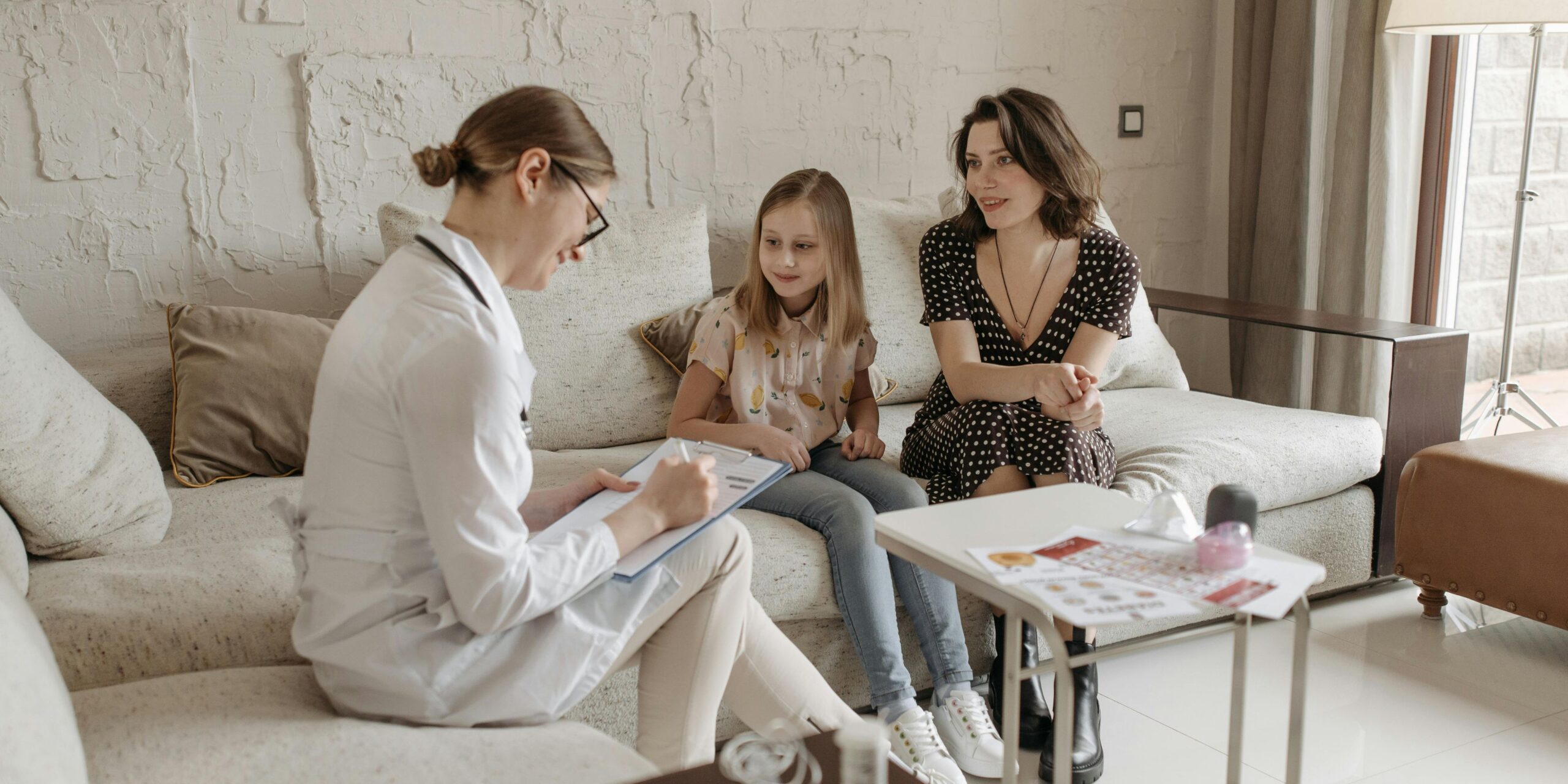
After the initial parent consultation, your son or daughter has their own 45-minute therapy session.
This session is mostly aimed at helping your child feel comfortable with the therapist.
They may play some games together or do an ice-breaker activity, and you may be there for all or part of the session, depending on the age of your child and their willingness to separate.
What Ongoing CBT Sessions Usually Look Like
Once everyone has gotten to know each other, and you have a treatment plan in place, therapy sessions typically follow a predictable pattern.
Usually, there is a check-in at the beginning where your child will share any important events or recent emotional experiences from their week – a “rose and a thorn” type of exercise.
After that, any homework from the previous week is reviewed.
For example, if your child was supposed to practice their belly breathing at night, the therapist will ask them how it went and/or what got in the way of practicing.
Next, they will learn a new skill together, or practice an old one that has been tricky to learn.
If they have been working on bravery for a fear or OCD, they will likely do some bravery practice (also called exposures).
Finally, they make a plan for the coming week, and finish with a game or a prize so the session ends on a positive note.
Of course, there is always individual variability, and a session with a teenager is going to look different than a session with an eight year old, but there will still be patterns and predictability so your child knows what to expect.

How Parents Participate in Treatment
It’s important to know that the younger your child, the more you will need to participate in treatment.
This can take the form of joining sessions with your child and practicing skills together, or it can be separate parent sessions where you learn how best to support their growth at home.
If your son or daughter is seeing a therapist who doesn’t communicate with you, you may want to check in about this.
As the expert on your child and your family, you’re an important source of both information about and support for your child.
How CBT Helps Children Build Coping Skills
Cognitive behavioral therapy sessions follow a clear, predictable path for your child to learn and practice essential coping skills to manage their anxiety.
From the initial parent and child consultations to regular sessions that incorporate check-ins, skill-building, and bravery practice (exposures), the entire process is designed to help them learn new ways of managing big feelings.
By understanding and supporting the structure of these sessions, and communicating with your child’s therapist, you—as the expert on your family—become an indispensable partner in their progress.
This collaborative approach ensures your anxious kiddo has the best chance to navigate their worries and build lasting resilience.
Related Posts